Access for All: Kenya’s 2025 PwD Act Signals Digital Inclusion Milestone

By Kollea Hub Team
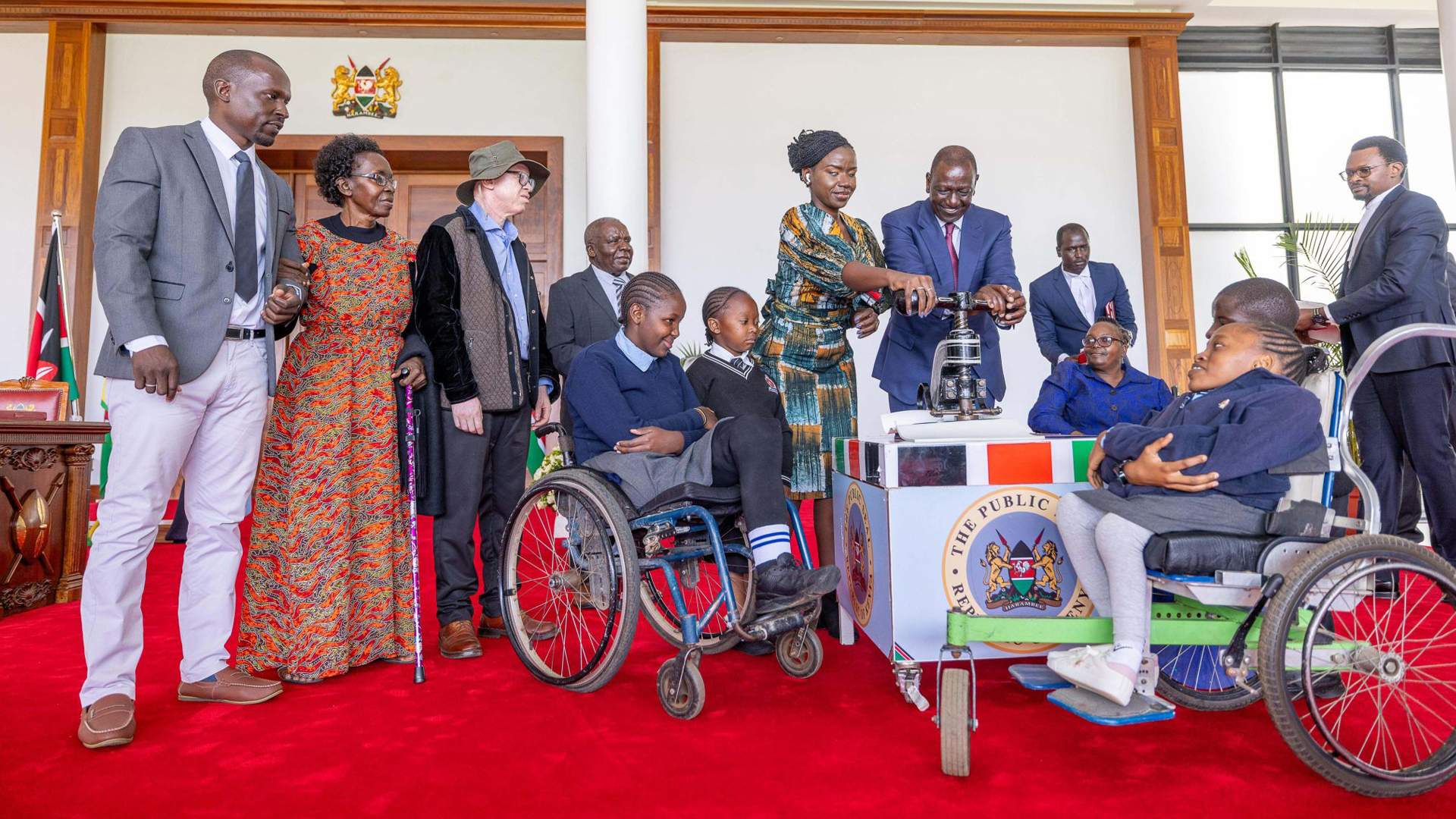
Kenya’s Persons with Disabilities Act 2025, signed into law by President William Ruto on May 8, 2025, marks a major step toward equal access to information and digital services for persons with disabilities (PwD). Section 26 of the Act creates a framework to ensure that information, communication technologies (ICT), and online services are accessible on an equal footing with others. It recognizes that access to information and participation in the digital world are essential for education, employment, civic life, and daily living. The act sets out duties for both public and private entities to foster inclusive media, telecom services, and online information.
What the act guarantees for PwD
Rights to information and expression
- Freedom of expression and access to information: PwD have the right to seek, receive, and impart information, with the obligation that information is accessible without extra cost and in a timely manner. Digital platforms, news, public communications, and online services should be accessible without creating additional financial burdens.
- Equal access without discrimination: PwD should receive information on the same terms as everyone else, including access through the internet and digital channels in formats that accommodate diverse disabilities.
Technologies and formats that matter
- Accessible ICT and information: The act supports assistive technologies such as text-to-speech, Braille materials, hearing aids, and other devices. Public and private entities are encouraged to adopt these technologies to ensure inclusivity.
- Inclusive formats for all institutions: Information intended for the public—especially online—should be available in accessible formats and technologies suitable for various disabilities (e.g., screen-reader friendly websites, captioned videos, accessible PDFs).
- Sign language and alternative communication: The act promotes Kenyan Sign Language (KSL), Braille, AAC, and other accessible communication methods to reflect diverse needs.
Obligations for media and telecommunications providers
- Accessibility in media and information services: Public and private media and telecom providers must offer information and services in accessible formats across TV, radio, streaming, and mobile platforms.
- Functionally equivalent services: PwD should access the same products, services, and programs with equivalent quality and effectiveness, including accessible customer support and interfaces.
- Accountability: Both public and private actors are responsible for delivering accessible services; non-compliance can carry consequences to reinforce digital inclusion.
- Content safety considerations: The Communications Authority of Kenya and relevant councils will develop regulations to minimize risks for persons with photosensitive epilepsy in television content.
Programmatic commitments in broadcasting and education
- Sign language on television: All television stations must provide a Kenya Sign Language (KSL) inset to ensure Deaf and hard-of-hearing viewers can follow news and educational programming.
- Closed captioning: Newscasts, educational programs, and programs of national and international significance must include captioning, benefiting Deaf and hard-of-hearing viewers and others who rely on text.
- Common sign language course in higher education: All public and private higher education institutions must offer a common KSL course to build nationwide proficiency.
Consequences for non-compliance
- Licensing implications: Public and private institutions that fail to comply can have their licenses suspended, with reinstatement only after demonstrating compliance.
Limitations and next steps
Implementation will require clear guidelines, dedicated funding, and ongoing oversight. Smaller organizations may need time and targeted support to adapt to the new requirements, and sustained resources will be essential to build capacity across the public and private sectors. For guidance and escalation, stakeholders can reach out to relevant authorities such as the Communications Authority of Kenya, disability councils, or consumer protection bodies, which can provide navigation assistance and help address challenges. Public awareness campaigns and continuous training will be crucial to embedding these practices in day-to-day operations and service delivery, ensuring that the law translates into real, lasting improvements for PwD and their communities.
What it means for PwD
For persons with disabilities and their families, the act promises more accessible information and safer online experiences. Content will be available in familiar formats, including Kenyan Sign Language, captions, and Braille, reducing barriers to education, employment, and participation in civic life.
For educators and students, the law opens greater access to educational materials and media, guided by universal design principles that aim to make learning resources usable by all, regardless of ability. Employers and service providers face clearer expectations to implement accessible interfaces, offer inclusive support channels, and adopt hiring and training practices that reflect a commitment to inclusion.
Finally, for the media and telecommunications sectors, the act enshrines standardized accessibility requirements across platforms and services and establishes accountability mechanisms to ensure compliance and continuous improvement.
Bottom line
The 2025 Act signals a decisive shift toward digital inclusion in Kenya, translating rights into practical steps for access to information, media, education, and civic participation. While full implementation will take time, the act lays a robust foundation for a more inclusive digital Kenya—benefiting PwD, their families, educators, employers, and service providers alike.