ELRC Judges Chart a Course to Accessible Justice in the Digital Age
By Kizito Namulanda
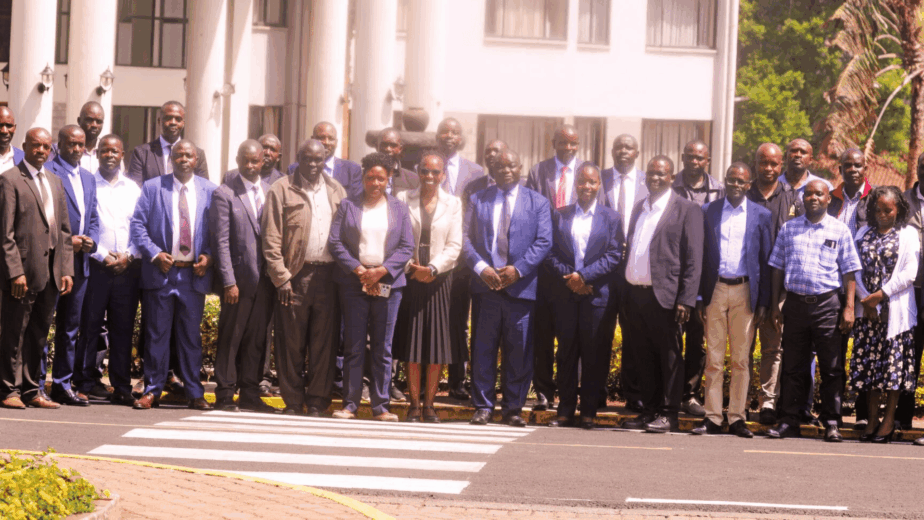
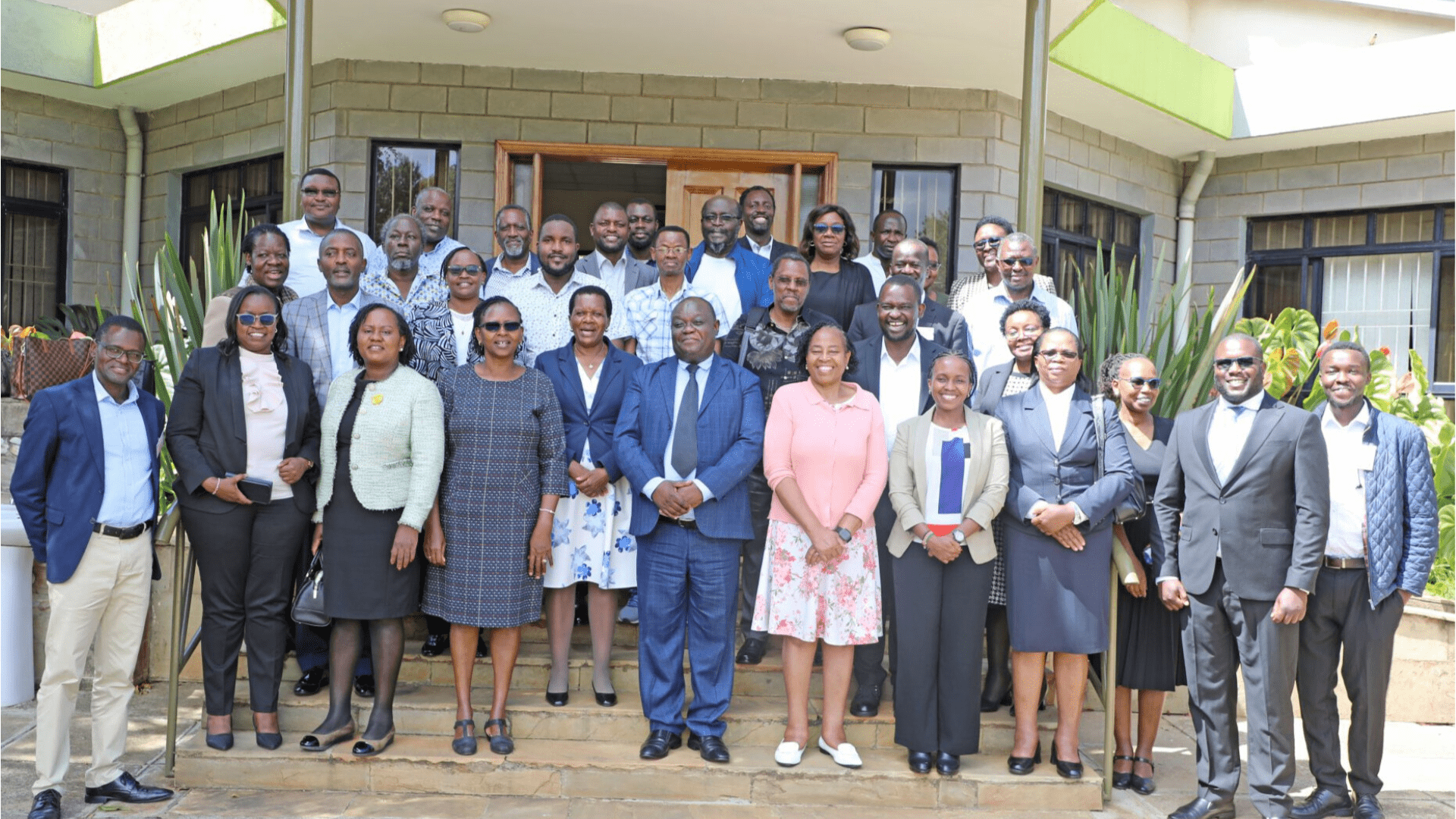
A two-day gathering at the Kenya School of Government marked another milestone in Kenya’s ongoing justice reforms: a focused training on Digital and ICT Accessibility, aimed at embedding inclusive practices across the Employment and Labour Relations Court (ELRC). From December 18 to 19, 2025, judges, registrars, and judicial officers converged to explore how technology can serve everyone — including persons with disabilities and other marginalised groups such as seniour citizens.
The programme, titled Digital and ICT Accessibility for ELRC Judges: Embedding Inclusive Justice in the Digital Age, was organised by the Kenya Judiciary Academy (KJA) in collaboration with the UK Digital Access Programme (UK-DAP). It drew robust support from partners including the Kenya Bureau of Standards (KEBS), Kenya Law Reporting (KLR), and the Information and Communication Technology Authority (ICTA). The objective was clear: ensure that ELRC’s digital processes are accessible to all, transforming policy into practical change.
Opening remarks set the tone for the two days. Hon. Justice (Dr.) Smokin Wanjala, Supreme Court Judge and Director-General of KJA, delivered a keynote via speech read by Duncan Okello, Deputy Director KJA. He reminded participants that the ELRC serves a diverse clientele — workers, trade unions, and people with disabilities among them — and that digital accessibility is not a luxury but a necessity for dignity and livelihoods before the court.
ELRC Principal Judge, the Hon. Justice Byram Ongaya, framed the training within the Judiciary’s decade-long Social Transformation through Access to Justice (STAJ) programme. He stressed the need for universal design across the ELRC’s digital ecosystem — from judgments and virtual hearings to court documents and public access portals — with built-in reasonable accommodations for all courtroom users.
UK-DAP’s country Lead, Mr. Charles Juma, spoke of a shared commitment to inclusive digital justice and of the programme’s potential as a model for collaboration across the sector. Hon. Justice (Dr.) Kibaya Laibuta, a visually impaired judge from the Court of Appeal, offered a personal perspective, urging accelerated efforts to ensure digital judicial services are accessible not only to those seeking justice but to all members of the bench.
The training produced clear outcomes in both policy and practice. Hon. Justice Nzioki wa Makau (ELRC Kisumu) reflected on gaps revealed during the sessions and pledged a shift in courtroom approach beginning January 2026 to be more sensitive to the needs of persons with disabilities. Hon. Lady Justice Monica Mbaru, Presiding Judge of ELRC in Mombasa, underscored that accessibility must permeate every function of justice delivery, aligning with Article 54 of the Constitution and the Persons with Disabilities Act 2025. Hon. Lady Justice Jemimah Keli of the Appeals Division called the experience an eye-opener, reinforcing that accessibility is a cornerstone of justice, not a footnote.
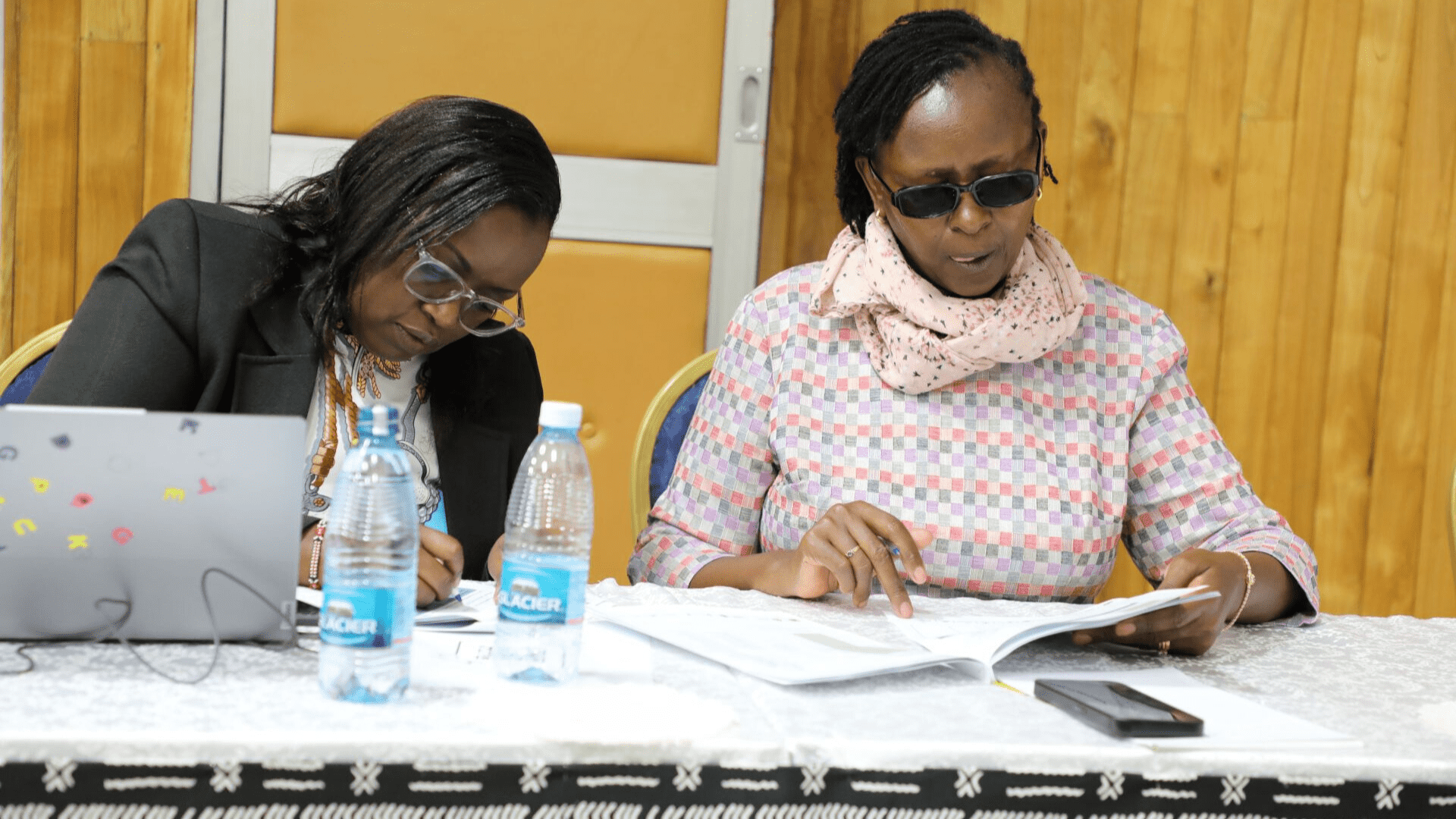
The curriculum was comprehensive, designed to translate lofty commitments into tangible practices. Central to the programme was an emphasis on KS 2952:2022 and WCAG 2.2 standards, building capacity to draft accessible judgments, and promoting inclusive virtual hearings. Participants engaged in a blend of expert briefings, live demonstrations, hands-on exercises with court documents, group work, and action planning aimed at operationalising the ELRC accessibility roadmap.
Sessions traversed policy and procedure, from disability inclusion and the rights enshrined in KS 2952 and WCAG to practical formatting and tagging of judgments to support assistive technologies. Legal guardrails were clearly acknowledged: the Constitution (Article 54), the Persons with Disabilities Act (2025), KS 2952:2022, and the STAJ framework, all converging to guide a judiciary in which accessibility is embedded in day-to-day operations.
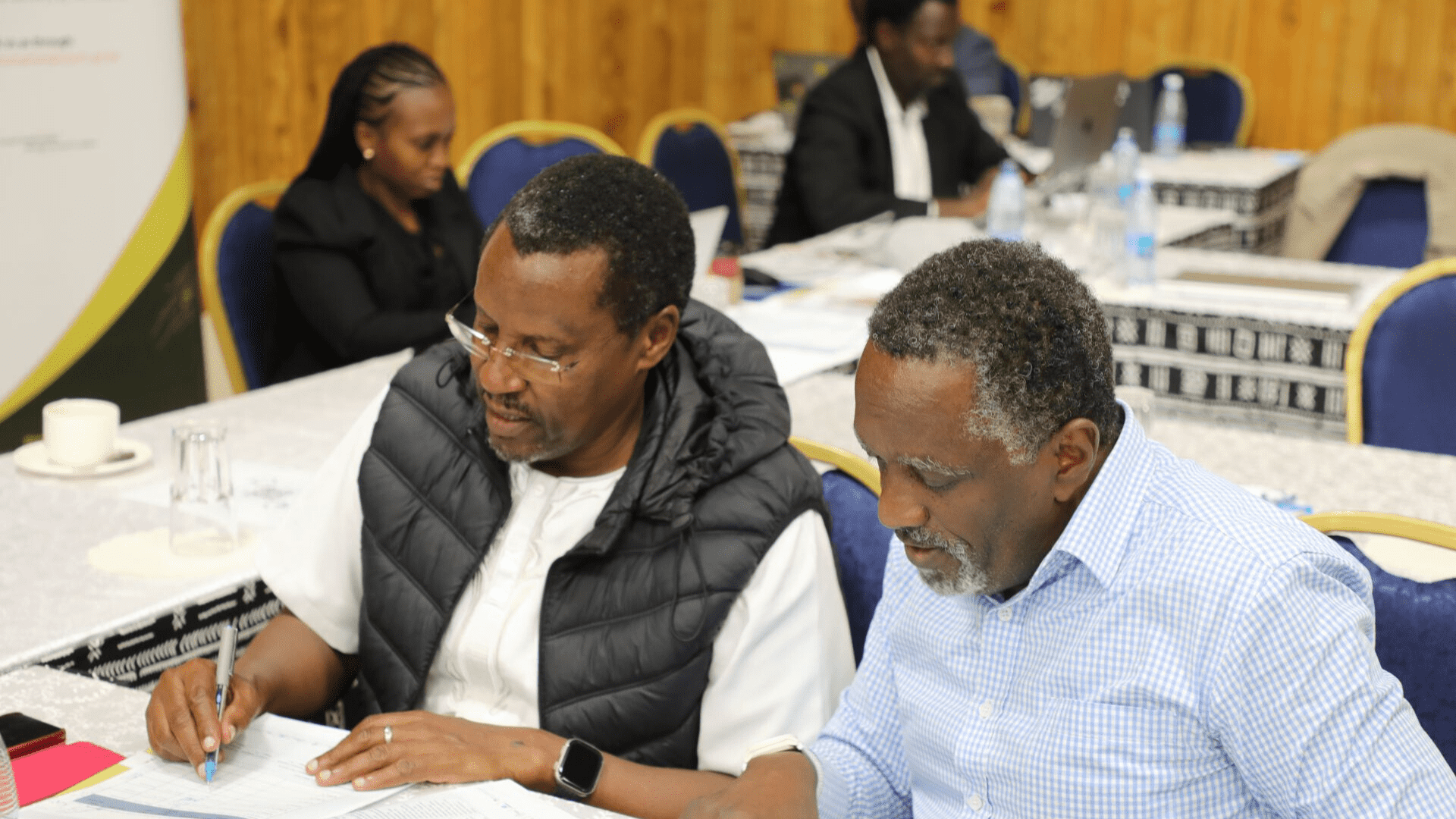
Day two shifted from theory to practice. Judges worked in groups to develop unit-level accessibility action plans, a concrete artifact of the training that will guide adjustments across court documents, digital platforms, and courtroom technologies. A closing session, moderated by Charles Juma, reflected on applying these insights to workstations and courtroom workflows, underscoring the practical relevance of the principles learned.
The two-day event did not happen in isolation. It followed a high-profile August 2025 workshop that brought together senior policymakers, judges, and disability advocates to chart a sector-wide roadmap for digital inclusivity in judicial services.
The August gathering, funded by UK-DAP through the British High Commission under the Gava Mkononi Kwa Wote project, highlighted the sector-wide momentum behind inclusive digital justice.
Read: Kenya’s Justice Sector Journeys Toward Inclusive Digital Justice
You may like: Behind The Scenes Of Digital Inclusion ELRC Trains Drivers And Security Officers Too
Looking ahead, ELRC officials and their partners have signaled a sustained commitment to translate learning into action. The accessibility roadmap will be refined, training will inform ICT procurement and policy, and progress will be monitored through continued collaboration with UK-DAP and national agencies. The overarching message to the Kenyan public is clear: justice must be accessible, navigable, and fair in an era of digital complexity.
Kollea Hub will continue to follow the ELRC’s journey toward universal access to justice, from “read-aloud” judgments to inclusive virtual hearings that welcome every participant. As the path forward unfolds, the steps taken in Nairobi signal a decisive shift toward a more inclusive, more just, and more digitally capable judiciary.